
Organic cotton – sustainable cotton without chemicals

Organic cotton is cotton grown without synthetic pesticides, artificial fertilizers or genetically modified seeds. It is considered one of the most important natural fibers for sustainable fashion, as it protects the environment, soils, and the health of cotton farmers.
Compared to conventional cotton, organic cotton is grown and processed under stricter ecological criteria. Many sustainable fashion brands therefore deliberately rely on this fiber.
At LANA Organic too, organic cotton is one of the most important materials for durable and environmentally friendly clothing.
How organic cotton is grown
The cultivation of organic cotton follows clear ecological principles:
- no synthetic pesticides
- no chemical fertilizers
- no genetically modified plants
- promotion of healthy soils
- crop rotation instead of monocultures
These methods keep soils more fertile, reduce water pollution, and protect biodiversity.
Advantages of organic cotton
Organic cotton has several ecological and practical advantages.
Environmentally friendly cultivation
The absence of pesticides protects soil, water, and animals.
Gentler on the skin
As fewer chemical residues are produced, organic cotton is considered particularly skin-friendly.
Durable quality
High-quality cotton fibers ensure hard-wearing fabrics that can be worn for many years.
Better working conditions
Organic cotton programs often also promote social standards for farmers and workers.
Difference between organic cotton and conventional cotton
| Organic cotton | Conventional cotton |
|---|---|
| without synthetic pesticides | intensive pesticide use |
| without artificial fertilizers | chemical fertilizers |
| no genetic engineering | often genetically modified seeds |
| more sustainable soil management | often monocultures |
Conventional cotton cultivation is one of the agricultural sectors with high pesticide use worldwide. Organic cotton aims to reduce these problems.
Difference between organic cotton and KBA cotton
The term KBA cotton means "cotton from controlled organic cultivation".
In practice, the term is often used as the German term for organic cotton. However, there is a small distinction:
Organic cotton
- international term
- based on organic farming principles
- can be confirmed by various certifications
KBA cotton
- German technical term
- also stands for cotton from controlled organic cultivation
- is used especially in the natural textile sector
Content-wise, both terms usually describe the same cultivation method.
Certifications for organic cotton
To ensure consumers can be certain that cotton has been produced organically, there are various certifications.
One of the most important in the textile sector is:
GOTS – Global Organic Textile Standard
This standard audits both:
- the organic raw material
- as well as the entire textile processing
- and social criteria in production.
Many sustainable fashion brands work with such certifications to ensure transparency along the supply chain.
Why sustainable fashion brands use organic cotton
Organic cotton combines several advantages:
- environmentally friendly cultivation
- comfortable wearing properties
- durable fabric quality
Therefore, it is one of the most important fibers for sustainable clothing.
LANA Organic has also been preferentially using natural materials like organic cotton for many years to develop high-quality and timeless fashion.
FAQ on Organic Cotton
Is organic cotton more sustainable?
Yes. By avoiding pesticides and chemical fertilizers, the environment is significantly less polluted.
Is organic cotton softer?
Organic cotton can feel particularly soft, as the fibers are often processed more gently.
Is organic cotton more durable?
High-quality cotton fabrics are generally very hard-wearing and can be worn for many years.
Why is organic cotton more expensive?
Organic cultivation is more labor-intensive and yields lower returns. At the same time, higher environmental and social standards are maintained.
Collections
-

Baby Basics Made from Organic Cotton – Soft & Natural
Gentle on the skin, thoughtfully designed for everyday life: Our Baby Basics...
-

Summer that lasts – The Spring & Summer Collection 2026
Our Summer 2026 collection combines light silhouettes, natural colors and high-quality materials...
-

Organic Cotton Sleepwear
Discover women's sleepwear made from 100% organic cotton – pleasantly soft, breathable,...


Discover more about us!
-
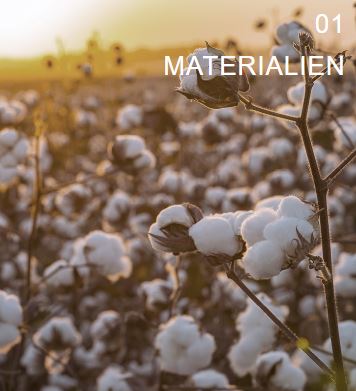 About the materials
What materials do we use?
-
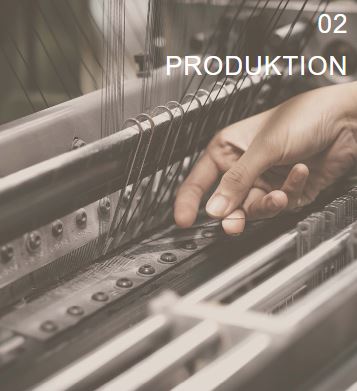 Information about our production
Learn more about our production process
-
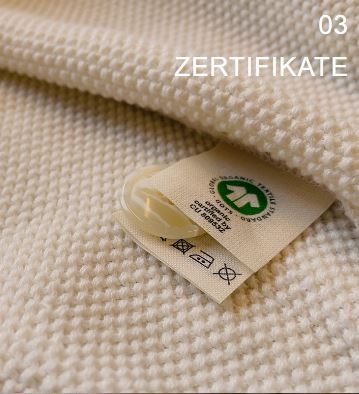 About our certificates
GOTS, vegan - what does that mean?
-
 Information about design and packaging
From the idea to the finished product
-
 Product care tips
This way your favorite piece stays like new for a long time
